
fierosil



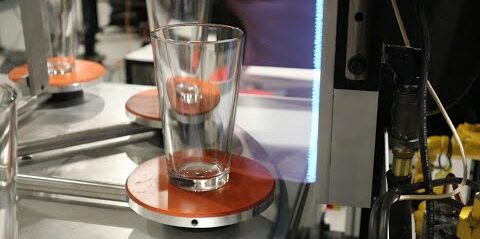
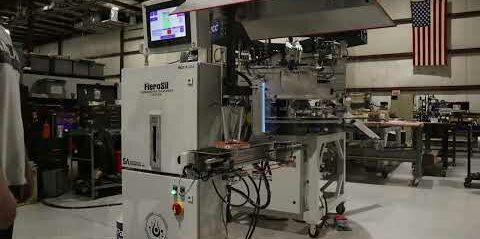



FieroSil™ Printing Pretreatment System
Testimonial
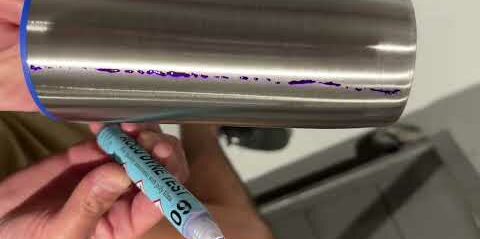
"We inspect every order carefully, especially our UV-printed glass growlers. UV ink normally won’t adhere to low-energy glass—but after pretreating with the new FieroSil™ system, the difference was night and day. The ink bonded perfectly. I scratched at it myself — it's bulletproof."
– Murray Shelton
Buccaneer Container Corp
- HMDSO vapor deposition creates a microscopic silica bond layer — the strongest ink adhesion available for glass, plastic, metal, and composites.
- Works on surfaces that standard printing can't reliably hold.
- Compatible with UV inkjet, screen printing, pad printing, and hybrid digital workflows.
- Stand-alone unit or fully integrated into automated production lines.
Pretreatment
Engineered for flawless adhesion and lasting print quality across plastics, glass, metal, and composites.
FieroSil™ uses HMDSO vapor deposition to apply a microscopic silica layer that dramatically increases surface energy. This ensures inks bond permanently, eliminating smudging, peeling, and print failures common with untreated low-energy surfaces.
Ideal for UV inkjet, pad printing, screen printing, and hybrid production workflows.
Designed for seamless integration with high-speed automated lines and cylindrical printers.
Compatible with leading UV inks from manufacturers including Marabu, Nazdar, and Sun Chemical.
Engineered for integration with automated screen printing, pad printing, and UV inkjet systems from major OEMs including Inkcups, LSINC and more.
FieroSil™ works seamlessly with Systematic Automation's UV Curing Systems and Screen Printing Machines.
Features
FieroSil Features
- Advanced HMDSO vapor deposition technology for superior surface activation
- Uniform nanocoating layer increases surface energy for permanent ink bonding
- Touchscreen interface with precise digital dosing control
- Zero-purge precursor delivery system for clean and efficient operation
- 1-liter high-purity precursor reservoir with level monitoring
- Consistent and repeatable treatment results across glass, plastics, metals, and composites
- Fast cycle times for inline and high-volume production workflows
- Compatible with UV inkjet, pad printing, screen printing, and hybrid workflows
Engineering & Control Features
- PLC-based control system for industrial reliability
- Emergency stop integrated with pretreatment control loop
- Rugged welded steel frame for vibration-free operation
- Adjustable mounting and system leveling pads for flexible installation
- Articulating monitor arm for ergonomic operator access
- Low-maintenance gas delivery and precursor handling system
- Standard 110V power (international voltages available)
- Made in the USA with rapid service and support
Options
- Standalone pretreatment unit
- Integration kits for conveyors and inkjet lines
- Multi-station pretreatment carousel (Flame 360 compatibility)
- Custom automation and robotics integration
- Remote monitoring and diagnostics package
- High-capacity precursor supply systems for 24/7 production
Molecular level pretreatment
Achieve unparalleled ink adhesion on even the most challenging substrates. Our Silica Flame Spray Pyrolysis technology transforms the molecular structure of your product’s surface in milliseconds. By depositing a nanoscopic silica layer, we bridge the gap between your substrate and your decoration—ensuring vibrant, permanent, and industrial-grade results every time.

A Brief History
While Flame Spray Pyrolysis (FSP) has roots in the early 20th-century production of carbon black and fumed silica, its application as a localized pretreatment for industrial printing is a modern evolution. Historically, manufacturers relied on "blind" flame treatment or harsh chemical primers to increase surface tension.
The development of SFSP allowed for a "dry" chemical application. By embedding the chemical primer directly into the flame, the industry moved away from manual wiping and inconsistent liquid primers, leading to the highly automated, repeatable systems used in modern high-speed printing lines.
Why It Matters for Product Decoration
For industries like Automotive, Medical Device, and Glassware, the challenge isn't the print—it's the bond. Many modern substrates (like HDPE, Polypropylene, or coated glass) are naturally "low energy," meaning ink will bead up or scratch off easily.
The SFSP Advantage:
-
Uniformity: Provides a consistent molecular layer that liquid primers cannot match.
-
Efficiency: Eliminates the "dry time" required by traditional primers.
-
Durability: Significantly improves results in "tape tests" and dishwashing cycles for decorated products.